Beyond deployment
The Value of a Consultative Implementation
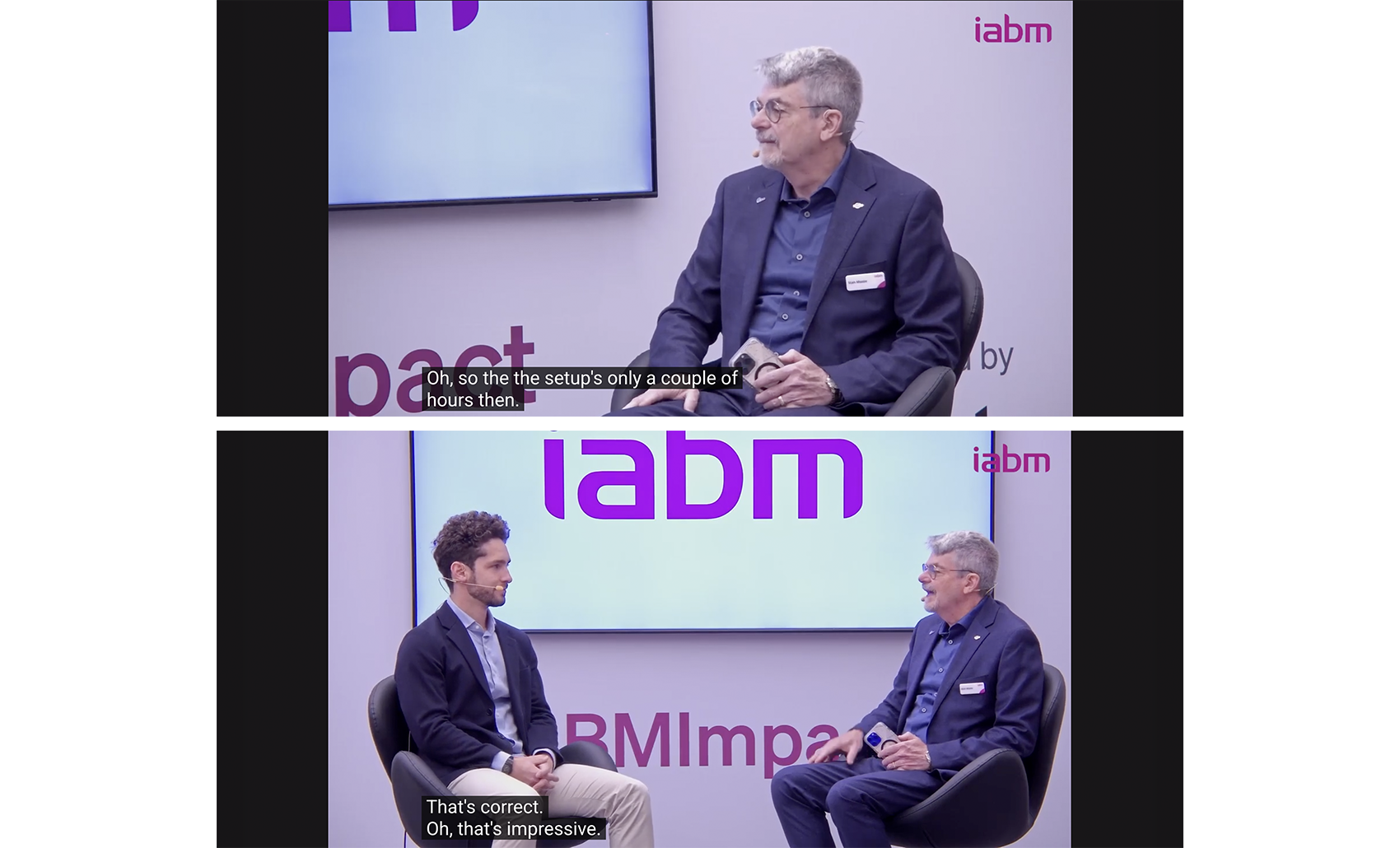
A few months ago our CTO was speaking with Stan Moote at the NAB show (CTO at IABM). When he explained that the Knox Media Hub system can be set up and running in minutes, Stan was genuinely surprised. And he was right to be. One of the greatest advantages of being a flexible, Cloud-native SaaS platform is the speed of technical deployment. It does not need "lift and shift," nor requires massive installations.
However, the core of a successful implementation of the solution is not the speed of deployment. It’s understanding the project, the company and the users. Ensuring that the platform actually solves a business pain point and brings real value like efficiency, cost savings and enables new business models, requires a process that looks a lot like consultancy. And that’s a part that can't be done in minutes.
Not Consultancy as a service, but consultancy as a responsibility
As we were mentioning, the real success of a new technology implementation comes from understanding the company and the team: their goals, workflows, constraints, and the real problems they want to solve.
Let’s be clear, we are not a consultancy firm. Our core business is our platform, a powerful, flexible Media Supply Chain solution. But a consultative layer naturally becomes part of the process, a necessary step to ensure the technology delivers real value.
Why is it so? 👇
Because implementing a platform for Media teams touches the very core of a company’s operations, data, workflows, teams, and business goals.
Every media house is unique and needs a tailored solution that fits their specific goals. We do what’s required to make the platform work for each business, properly, sustainably, and with impact. We cannot simply sell a login and walk away.
Because Knox Media Hub drives efficiency by automating processes and you cannot automate a process you do not understand. To automate operations or migrate a library, we need to dissect it first. We need to understand your datasets, how files move, and where the bottlenecks hide. We help define it so the foundation is solid, scalable, and future-proof.
To be transparent. If we understand the workflows and what is sought, we can honestly say what our technology can and cannot do. No bad surprises.
To effectively leverage our tool and ensure a seamless implementation, we first need a deep understanding of the company's workflows. This involves analyzing and structuring its data and datasets, and how information and files flow in and out of systems. Unifying your data and automating your processes both depend on this initial understanding. Therefore, this ‘consultancy’ is a an inherent part of our job.
What it looks in practice
We ask a lot of questions. If we want to solve real problems, we need to pin-point them. And this is a hard part at the beginning of any project, before any rollout. An implementation process often involves asking easy questions that are difficult to answer. We force clients to sit down and map their flows, asking things like: What exactly are the needs and pain points we are addressing? If we are doing a Proof of Concept (PoC), what are the specific KPIs?
This also helps us to be honest on what can our technology do and what can it not do. That prevents misaligned expectations, delays, and costly detours.
We put words and figures to abstract concepts. We map the workflows. We sketch out where content comes from, where it goes, what is manual, and why it is manual. We establish a definition of a general architecture. Any partner who has spent more than five minutes with us will tell you: we love diagrams.
We define goals and KPIs. And we do Proofs of Concept that are measurable. Implementations have outcomes. We define what exactly we want to achieve.
We train for autonomy. Knox Media Hub is pretty intuitive and has the best of breed interface and ease of use; but still we help teams adopt new ways of working and get real results. And we train superadmins. We equip your team with the skills to take charge of the system so you are self-sufficient long-term.
We stay close. We check in to ensure you are fully leveraging your investment and using all available features. We are committed to your long-term success by equipping your team with the essential skills and knowledge to maximize your Knox Media Hub solution. Features that may not be critical today could become key as your business evolves or expands into new models. Plus, one of our strongest assets is exceptional service: weekly check-ins, proactive agenda setting, and swift response times.
Equally important, we prioritize long-term planning. Our roadmaps evolve in close partnership with you, adapting year-to-year to meet your changing needs.
In a nutshell, it is also about leveraging our position as an external, objective viewer. We bring years of expertise and deep industry knowledge to the table. We have seen how other major players manage libraries, migrations, and cloud costs. We know the best practices because we built the tool.
The value of collaboration and communication
In the process of analyzing for each business requirements and helping them kick off with Knox Media Hub platform, we often find ways for improvement and recommend best practices. It is also a good opportunity for the other side to take time and sit to have an overview of all the processes.
And here’s why this collaboration is incredibly valuable:
We are not a stagnant product because nor is the industry. There’s ongoing change in business models and technology in M&E, so we need to keep up with trends of the market along with our clients. Communication is essential to align product roadmaps.
Workflows, business models, and audience demands change quickly: a static approach fails. We aren't just deploying software; we are aligning a product roadmap to our partners’ future.
A Media Asset Management and Orchestration platform doesn’t live in isolation. It integrates with rights systems, delivery platforms, storage policies, QC processes, and cross-department workflows. And that’s where the technical work -and value- begins.
It’s not simply about delivering a functional piece of software (which is quickly achieved). It’s about providing some consultancy, reviewing workflows, establishing clear objectives, identifying the problems and improvements we want to achieve, and precisely defining the 'how'. This approach applies to initial implementations and serves as an ongoing process for developing a shared roadmap.
Because we’ve seen hundreds of workflows across broadcasters, rights holders, distributors, and media companies, we can:
Spot bottlenecks quickly.
Recommend best practices for MAM/data models.
Guide on cloud migrations and cost control.
Share proven strategies on metadata, storage, and archiving.
Bring objectivity to processes that have “always been done this way”.
Give expert advice on how to manage libraries, working with cloud systems, data models, ans so on.
Or just advice on the best practices.
We have years of expertise, deep industry knowledge and there’s lots of chances we’ve seen -and solved- your problem before. We are an external, objective viewer that might have seen and addressed your bottlenecks several times.
The elephant in the room: change management
In the DPP’s 2025 Media CTO Survey, change management was ranked as the biggest barrier to transformation, above technical challenges. According to the survey:
“Change management and securing cross-business engagement are bigger Media CTO challenges than technology project delivery”
The challenge is not bringing in a new tool; it is bringing in a digital mindset. As we often say, "Be in digital ≠ Be digital".
So having a supportive take on the matter can also prove very valuable to get tech adopted by end-users. There’s ways to make this process easier:
Bringing in the team: listening to end-users is crucial for gathering invaluable information. Understanding their pain points such as tedious workflows, bottlenecks, or dependencies, is the easiest way to ensure rapid adoption of a new solution. Fine-tuning the technology and implementation ensures the solution is perfectly adapted to the unique needs of each team.
Having Key Users and training: We empower key users through comprehensive training. Our platform is no longer just a tool; it becomes their essential component. And they need to feel at ease, understand everything, navigate through it with ease.
We have the best of breed UI/UX and product design which makes adoption of Knox Media Hub extremely easy. Non-technical users can engage immediately without sacrificing access to the platform's more complex and powerful capabilities. This results in an engaging, cross-functional platform that provides true value to editorial and non-technical teams, facilitating easy onboarding of new talent. We are seeing marketing teams, for example, successfully onboarding the platform.
Seamless integration, and open data are also key enablers for an agile, flexible tech stack vital to future success.
In 1-2 hours, you can have Knox Media Hub set up and running with your assets and your log-ins. But the value comes from everything we do before and after: understanding the business, shaping workflows, defining an architecture of data and systems and making sure the platform becomes a strategic asset, not just another tool.
Want more Media Technology insights? Subscribe to our newsletter 📥